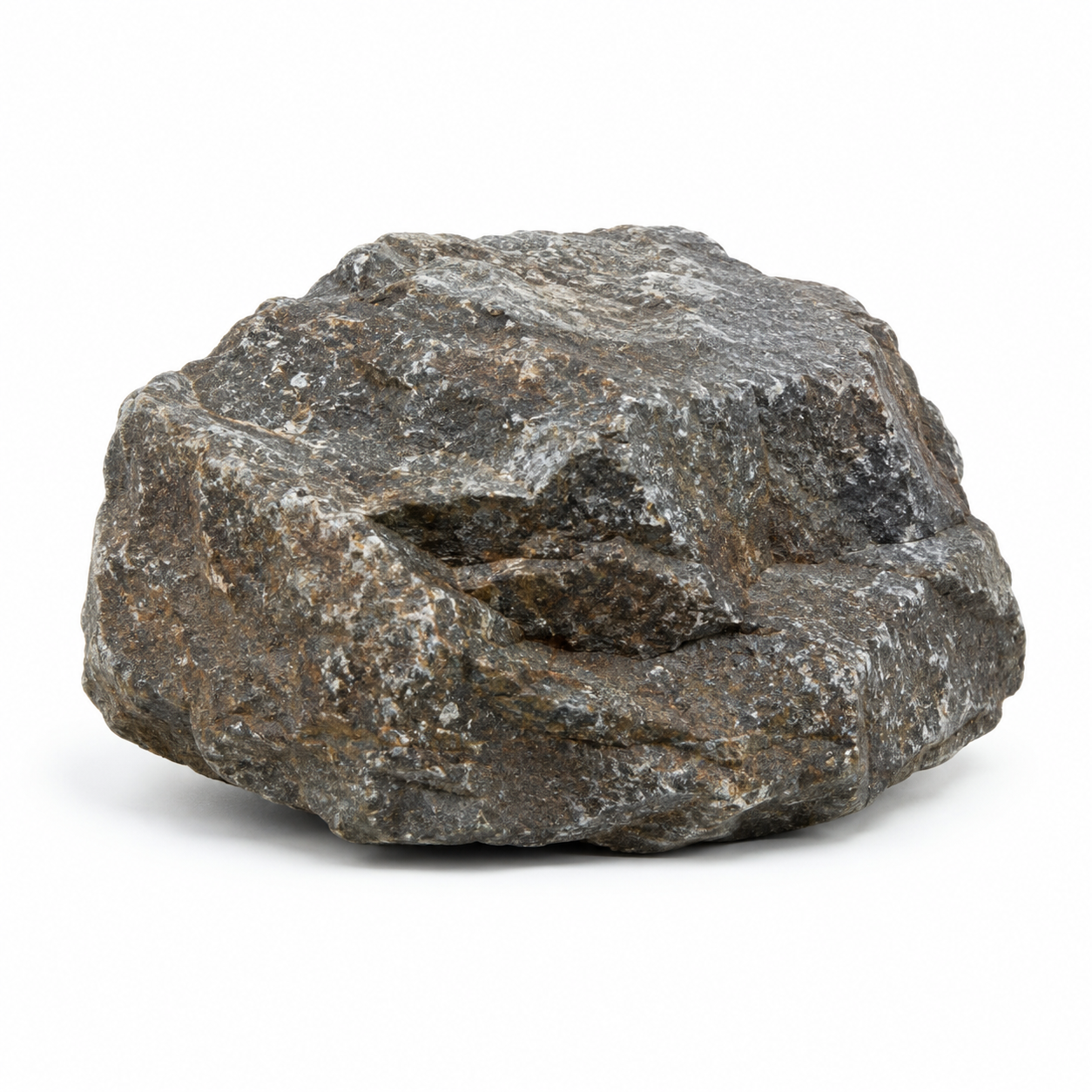

[Unnamed]. Pallasite Meteorite Fragment, 847g. Chaco Province, Argentina. Acquired 1923 by Henri Dumont, Geneva watchmaker. Sealed vault 1923–1987. Recovered 1987. Certified Meteoritical Society MS-2019-4471. Offered at public auction for the first time.
Important Bidder Information: This lot is offered for the first time at public auction on behalf of the Dumont Estate, Geneva. The fragment is unnamed per explicit estate instruction. Wire transfer only for lots over $1,000,000. Full provenance documentation, Meteoritical Society certificate MS-2019-4471, and Christie’s appraisal report (FMV $3,100,000) delivered to winning bidder. Export documentation available on request.
A pallasite meteorite fragment of exceptional provenance, 847 grams, recovered from the Gran Chaco lowlands of Argentina approximately 1923. Pallasites represent fewer than 0.2% of all known meteorite falls. They form at the core-mantle boundary of differentiated asteroids, where molten iron-nickel alloy cooled around crystals of olivine over millions of years. This specimen predates Earth by approximately 60 million years and is estimated at 4.56 billion years old — among the oldest objects any human being can physically hold.
The fragment was acquired in Buenos Aires in 1923 by Henri Dumont (1881–1961), a Geneva-based master watchmaker. In a private journal entry dated March 1923, Dumont wrote: “Iron gives a watch its structure. Crystal gives it light. Here is both, together, as they were before time existed. I will keep it until I find a man who understands what it means.”
Dumont stored the fragment in a sealed vault alongside three unfinished pocket watches. On his death in 1961 he prohibited the vault from being opened: “He who opens this must deserve what is inside.” The vault was opened in 1987 by his grandson, Édouard Dumont. The meteorite lay beneath the watches, wrapped in original cloth, without a label, without a name.
Édouard kept it on his desk for thirty-two years and died in 2019. His estate engaged Agnew Auction Services in 2024.
Pallasites are among the rarest and most scientifically significant meteorite types. They form at the boundary between the iron core and silicate mantle of asteroids large enough to have differentiated — a process that mirrors the internal structure of rocky planets including Earth. When these asteroids were disrupted by collisions billions of years ago, fragments of the core-mantle boundary were ejected into space. The olivine crystals preserved within this specimen are the same minerals found in Earth’s own mantle, formed under conditions that no longer exist anywhere in the solar system.
This lot is sold as a natural history specimen and cultural artifact. The fragment remains unnamed per the explicit wish of the Dumont estate. Agnew Auction Services will not assign or recommend a name for this object as a condition of sale. The buyer acquires full rights to name or not name the specimen as they see fit.
| # | Bidder | Bid Amount | Date / Time (PT) | Status |
|---|
Natural History & Science — Agnew Auction Services
May 18, 2026 · 11:00 AM PT
May 22, 2026 · 6:00 PM PT
By appointment, Beverly Hills gallery
20% on lots up to $1M